Turkey is quickly becoming a top choice for global investors seeking a second passport. One key reason is the tax benefits of Turkish citizenship for investors. The country offers clear, investor-friendly tax laws that help protect earnings and encourage foreign investment.
For example, Turkey has signed over 80 Double Taxation Avoidance Agreements (DTAs), including with the UK, UAE, and Germany. These treaties prevent investors from paying taxes twice on the same income. In addition, real estate buyers can benefit from VAT exemptions and no capital gains tax if they sell their property after five years.
Compared to other citizenship-by-investment programs, Turkey’s tax system is simpler and more cost-effective. Moreover, non-resident citizens are not taxed on their global income, which is a major advantage for international entrepreneurs.
In this guide, you’ll learn how Turkey’s tax system works, the main tax exemptions available, and why investors around the world see Turkish citizenship as a smart, long-term financial move in 2025.
Overview of the Turkish Tax System for Investors

Understanding the Turkish tax system is the first step to realizing the tax benefits of Turkish citizenship for investors. Turkey follows a modern and well-structured tax model designed to attract both residents and foreign investors.
How Turkey Taxes Its Citizens and Residents
Turkey applies a residency-based taxation system. This means residents are taxed on their worldwide income, while non-residents only pay taxes on income earned within Turkey.
For example, if a Turkish citizen lives abroad and earns income from a business outside Turkey, that income is not taxed in Turkey. This rule creates one of the most appealing tax benefits of Turkish citizenship for investors who do not live in the country full-time.
Tax Rates That Apply to Investors in 2025
As of 2025, Turkey’s personal income tax rates range from 15% to 40%, depending on income brackets. The corporate tax rate is 25%, though incentives can reduce it for certain sectors like technology or export industries. Property tax rates are low, typically between 0.1% and 0.6%, depending on location and type of property.
Foreign investors also enjoy special exemptions, such as VAT relief on property purchases if payments come from foreign currency outside Turkey. These fair and transparent rates make the country highly competitive compared to other citizenship-by-investment destinations.
Overall, the Turkish tax system supports sustainable investment and business growth. Combined with various incentives, it forms the foundation of the key tax benefits of Turkish citizenship for investors seeking long-term financial stability in 2025.
Major Tax Benefits of Turkish Citizenship for Investors
Turkey offers several powerful financial advantages to foreign investors. The tax benefits of Turkish citizenship for investors go beyond low tax rates—they include exemptions, incentives, and international protections that help investors keep more of their income.
No Tax on Worldwide Income for Non-Residents
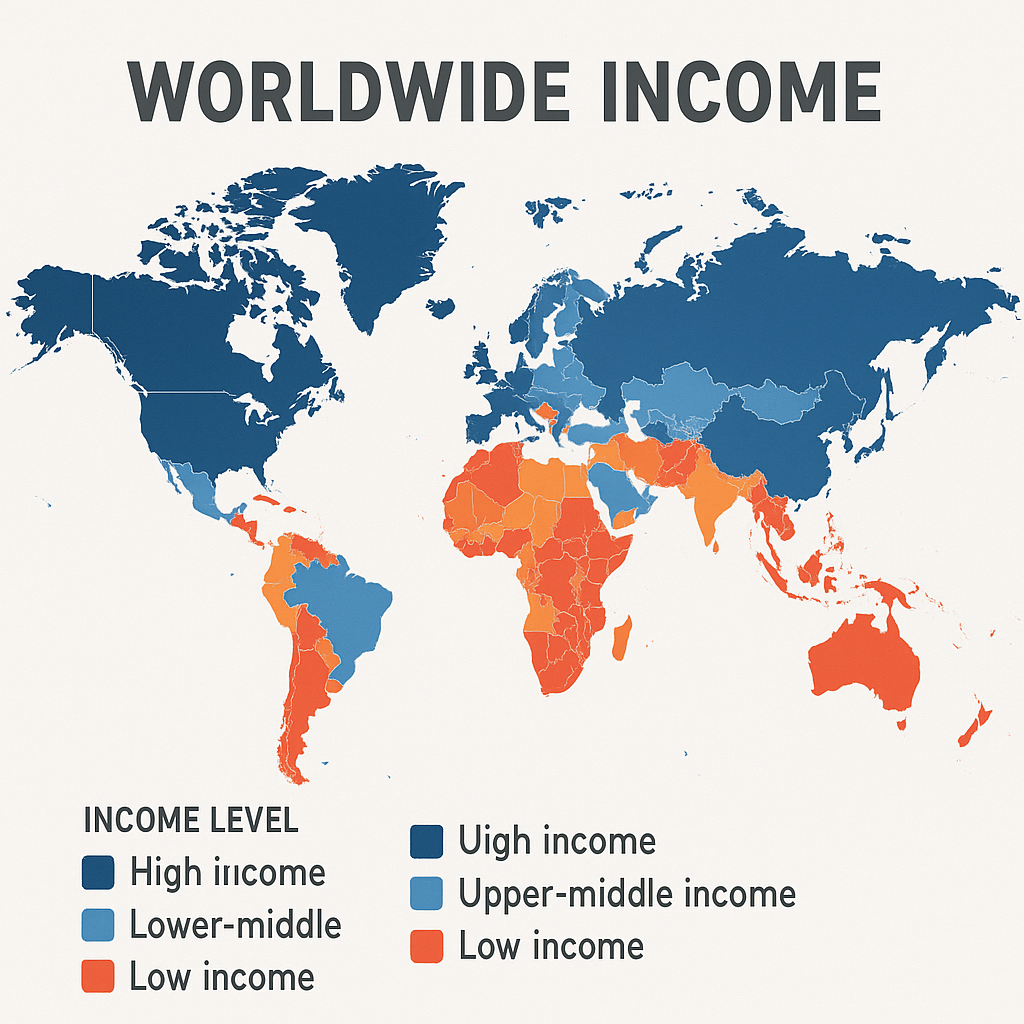
One of the biggest advantages is that non-resident Turkish citizens are not taxed on their worldwide income.
For example, if an investor lives in Dubai and earns money from businesses outside Turkey, that income is completely tax-free in Turkey. This flexibility allows global investors to maintain international income sources without extra tax burdens.
Real Estate Tax Advantages
Real estate investors enjoy generous benefits. Property buyers using foreign currency can qualify for VAT exemptions on purchases. In addition, if you sell your property after five years of ownership, you pay no capital gains tax. Property tax rates are also low, ranging between 0.1% and 0.6%, depending on the location and type of property. These incentives make Turkish real estate especially appealing to long-term investors.
Double Taxation Avoidance Agreements (DTAs)
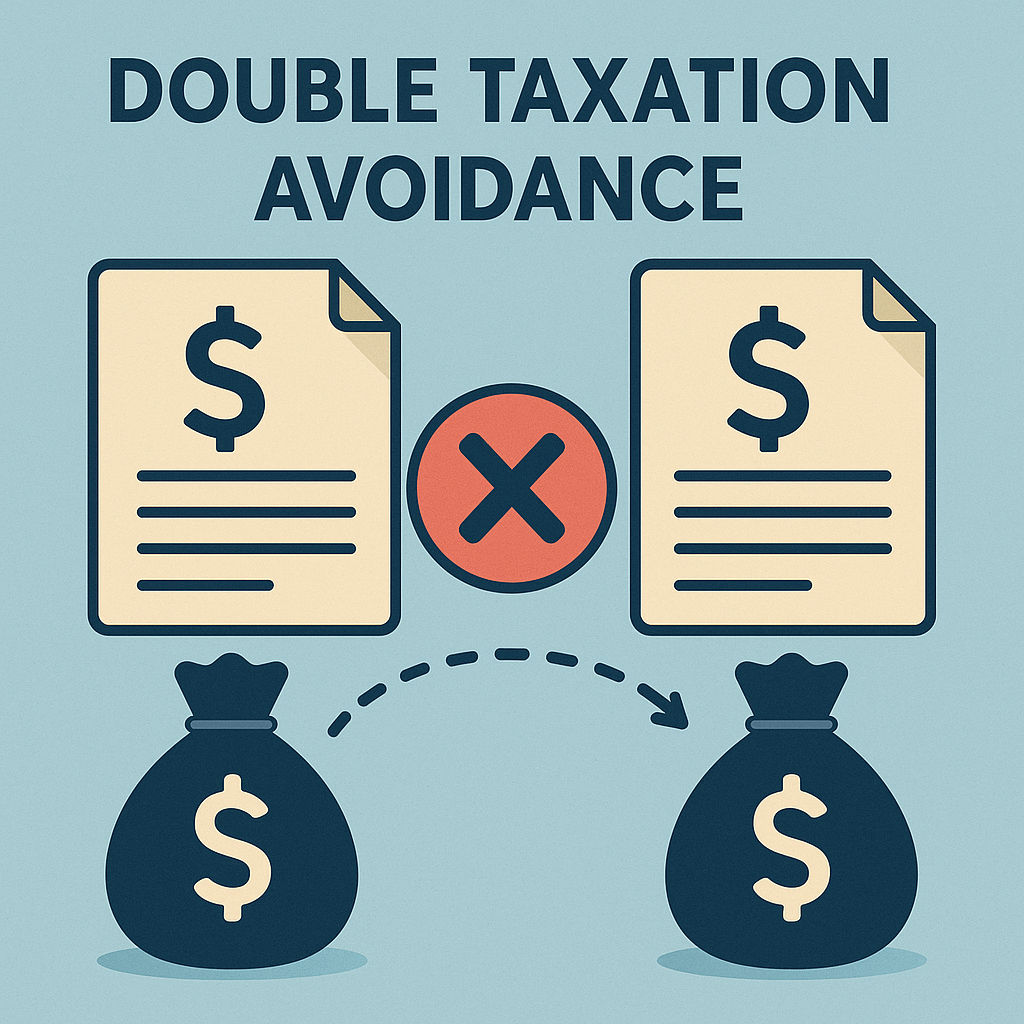
Turkey has signed over 80 Double Taxation Treaties with countries like the UK, UAE, Germany, and the USA. These agreements prevent investors from paying tax on the same income twice. For instance, a UK citizen who becomes a Turkish investor will not be subject to double taxation on dividends or interest income.
Business and Corporate Tax Incentives
Turkey also supports entrepreneurship through strong business and corporate tax incentives. Companies in Free Zones can benefit from 100% corporate tax exemptions on income from manufacturing or export activities. Technology and R&D firms receive up to 100% income tax deductions for research-related profits.
For instance, an investor running a software company in a Free Zone could pay zero corporate tax and enjoy customs duty exemptions.
So, the tax benefits of Turkish citizenship for investors create a strong foundation for wealth preservation and international business growth. These policies make Turkey one of the most tax-efficient citizenship options available in 2025.
Comparison — Turkey vs. Other Investment Citizenship Countries

When comparing global citizenship-by-investment programs, the tax benefits of Turkish citizenship for investors stand out as some of the most competitive. Turkey combines a moderate tax system with clear exemptions and international agreements that protect investors’ income.
Unlike many EU programs, Turkey does not tax non-residents on their worldwide income. For instance, a Turkish citizen living abroad and earning income from overseas investments pays zero Turkish tax on that income. In contrast, countries like Portugal or Malta apply specific tax schemes that still include parts of global income under certain conditions.
Property taxation also differs. In Turkey, annual property taxes range from 0.1% to 0.6%, while in Greece and Malta, they can reach up to 1% or more, depending on value. Moreover, Turkey offers VAT exemptions for foreign buyers and no capital gains tax after five years of ownership — major advantages for real estate investors.
Turkey’s network of over 80 Double Taxation Treaties further protects investors from paying taxes twice, making cross-border business more efficient.
Comparison Table: Tax Efficiency for Investors (2025)
| Country | Income Tax on Foreign Income | Property Tax Benefits | DTA Agreements | Overall Tax Friendliness |
|---|---|---|---|---|
| Turkey | No (for non-residents) | VAT & capital gains exemptions | 80+ | ⭐⭐⭐⭐ |
| Portugal | Partial (NHR regime limits apply) | Moderate | 79+ | ⭐⭐⭐ |
| Greece | Yes (flat 7% for wealthy residents) | Limited | 57+ | ⭐⭐ |
| Malta | Yes (remittance-based system) | Limited | 70+ | ⭐⭐⭐ |
Overall, the tax benefits of Turkish citizenship for investors make Turkey one of the most cost-effective options in 2025. It offers stable returns, lower taxes, and better international protection compared to most European citizenship programs.
How to Qualify for These Tax Benefits as an Investor

To enjoy the tax benefits of Turkish citizenship for investors, you must first meet the eligibility and investment requirements set by the Turkish government. Fortunately, the process is clear, fast, and investor-friendly.
Meet Residency and Investment Requirements
The most common route is the Turkey Citizenship by Investment Program, which requires a minimum real estate investment of $400,000. Investors can buy one or more properties that meet this threshold. Once citizenship is approved, investors can start taking advantage of property tax exemptions, VAT relief, and capital gains tax savings.
You don’t need to live full-time in Turkey to qualify for these benefits. Non-resident citizens are not taxed on their worldwide income, which is one of the most attractive tax benefits of Turkish citizenship for investors.
Related Content: What Are the New Rules for Buying Property in Turkey?
However, if you stay in Turkey for more than 183 days in a year, you may be considered a tax resident and taxed on local income only.
Legal and Documentation Requirements
To access these benefits, investors must register for a Turkish tax identification number and comply with local financial regulations. Working with a licensed tax advisor or investment consultant can make the process easier and ensure proper documentation.
For example, investors who buy property in foreign currency can apply for VAT exemption certificates through approved legal channels. Proper paperwork ensures that these incentives are valid and officially recognized.
Meeting investment criteria, understanding residency rules, and maintaining compliance are key steps to unlocking the full tax benefits of Turkish citizenship for investors in 2025.
Potential Limitations or Risks to Consider
While the tax benefits of Turkish citizenship for investors are attractive, there are still some limitations and risks to keep in mind. Understanding these details helps you make informed, long-term financial decisions.
When You Might Still Owe Taxes

Even though non-resident citizens don’t pay taxes on their worldwide income, income earned inside Turkey is still taxable.
For example, if you own a rental apartment in Istanbul, you must pay income tax on rental earnings. Similarly, businesses operating within Turkey are subject to corporate taxes, though incentives can reduce the amount.
Also, if you spend more than 183 days a year in Turkey, you become a tax resident. In that case, your global income may be taxable under Turkish law. Therefore, investors should carefully plan their stay duration to maintain non-resident status when needed.
Importance of Tax Planning and Expert Advice

Tax regulations can change over time. For instance, Turkey adjusted its corporate tax rate to 25% in recent years, and future changes could affect investors’ returns. Without proper guidance, you might miss out on available exemptions or fail to meet compliance requirements.
Working with an experienced tax advisor ensures that you follow local laws and maximize the tax benefits of Turkish citizenship for investors. Professional planning helps reduce risks, avoid penalties, and protect your international income structure.
Turkey’s tax advantages remain strong, but success depends on smart planning, ongoing compliance, and staying updated with new regulations.
Related content you should know about: What are the risks of buying property in Turkey for citizenship in 2025?
Conclusion
The tax benefits of Turkish citizenship for investors make Turkey one of the most attractive destinations for global entrepreneurs and property buyers in 2025. With low property taxes, VAT exemptions, and no tax on worldwide income for non-residents, investors can protect more of their earnings while expanding their global portfolios.
Turkey’s over 80 Double Taxation Agreements also ensure that investors do not pay taxes twice on the same income. This advantage creates strong financial stability for those running international businesses or holding assets abroad. For example, a Turkish citizen earning dividends in the UAE or UK will not face double taxation, preserving more of their profit.
In addition, investors benefit from corporate and business tax incentives, especially in Free Zones and R&D sectors. These programs reduce corporate tax to as low as 0% in eligible industries, making Turkey a rising hub for global investment and innovation.
However, to make the most of these opportunities, proper tax planning is essential. Working with licensed advisors helps ensure compliance and maximizes all available incentives.
In short, the tax benefits of Turkish citizenship for investors provide more than just savings. They offer long-term financial security, global flexibility, and a solid foundation for building international wealth.
FAQs – What Are the Tax Benefits of Turkish Citizenship for Investors?
1. Do Turkish citizens pay tax on their worldwide income?
Ans: No, only residents are taxed on worldwide income. Non-resident Turkish citizens pay taxes only on income earned within Turkey. For example, if you live in Dubai and own property in Turkey, you’ll pay tax only on your Turkish rental income, not your foreign earnings.
2. Are real estate investors exempt from capital gains tax in Turkey?
Ans: Yes, but only if you hold the property for at least five years before selling. After that period, no capital gains tax is applied. This is one of the most valuable tax benefits of Turkish citizenship for investors, especially for those planning long-term ownership.
3. How do Double Taxation Treaties (DTAs) help investors?
Ans: Turkey has signed over 80 DTAs with countries like the UK, UAE, and Germany. These agreements prevent you from paying tax twice on the same income. For example, if you earn dividends in the UK, they won’t be taxed again in Turkey.
4. Do I have to live in Turkey to enjoy the tax benefits?
Ans: No. You don’t need to live in Turkey full-time to access these advantages. Non-resident citizens still enjoy most tax benefits of Turkish citizenship for investors, including global income exemptions.
5. Are there special tax incentives for business owners or startups?
Ans: Yes. Companies in Free Zones can benefit from 100% corporate tax exemptions on export income. Tech and R&D firms can also enjoy income tax deductions on research-based profits.
6. Can dual citizens access Turkish tax benefits?
Ans: Yes, dual citizens can qualify for the same tax incentives as other Turkish citizens. However, their tax obligations may vary depending on their country of residence and existing tax treaties.



1 Comment
Do investors need to live in Turkey after getting citizenship by investment? - Invest & Roam · October 26, 2025 at 4:04 pm
[…] including the ability to vote, own property, and start businesses. However, you only become a tax resident if you stay in Turkey for more than 183 days a year. So, you can enjoy the advantages of […]
Comments are closed.